

LONG LIVE THE JUKE JOINT
LONG LIVE THE JUKE JOINT
The Silver Diner soundtrack is more than meets the eye.
We all know those details that make a quintessential diner. Outside, there is the glowing neon, and the silver chrome, altogether shimmering like a shiny beacon of the American Dream. Inside, there are booths aplenty and, of course, that central counter, usually wrapped in stainless steel and topped with Formica, serving as a communal table for anyone in need of a home-cooked meal. And right there, where the customers sit down to eat, there might even be one more classic feature—perhaps most beloved of them all: a jukebox.
Like diners, jukeboxes are now an Americana icon. And it’s no surprise why. Invented in San Francisco in 1889, these coin-operated music machines got their start in bars—a modified Edison phonograph that played music when a customer inserted a nickel. As technology advances, they spread into other everyman gathering spaces, with some 500,000 across the United States by the early 1940s, coinciding with the proliferation of diners.

Jukeboxes became popular forms of entertainment for young troops during World War II.
“Jukeboxes became a symbol of the egalitarian ethos of a diner,” says Silver Diner co-founder Robert Giaimo. “They cost only a few cents to play, giving everyone the opportunity to participate.”
Jukeboxes were our first taste of on-demand entertainment, and by the middle of the 20th century, they were loud, affordable, easy to use, and increasingly stylish. This was all especially intriguing for young people in the 1950s, who made diners their daily hangouts, a la Grease and Happy Days. In fact, these pick-your-own queues became so popular for teenagers that radio stations soon pivoted from playing singles artists to the current Top 40 style, helping launch many musicians into stardom.
Which means you can’t help but wonder: Would we have rock-and-roll without the jukebox, without the diner?
Following World War II, jukeboxes set the soundtrack of the day. Think Elvis Presley’s “Hound Dog,” or Little Richard’s “Long Tall Sally” or The Shirelles “Will You Love Me Tomorrow.” And for two solid decades, they were everywhere. Waking into any busy dining establishment, you’d find a Seeburg, Rock-Ola, or Wurlitzer, stuffed to the gills with what we’d now call greatest hits.
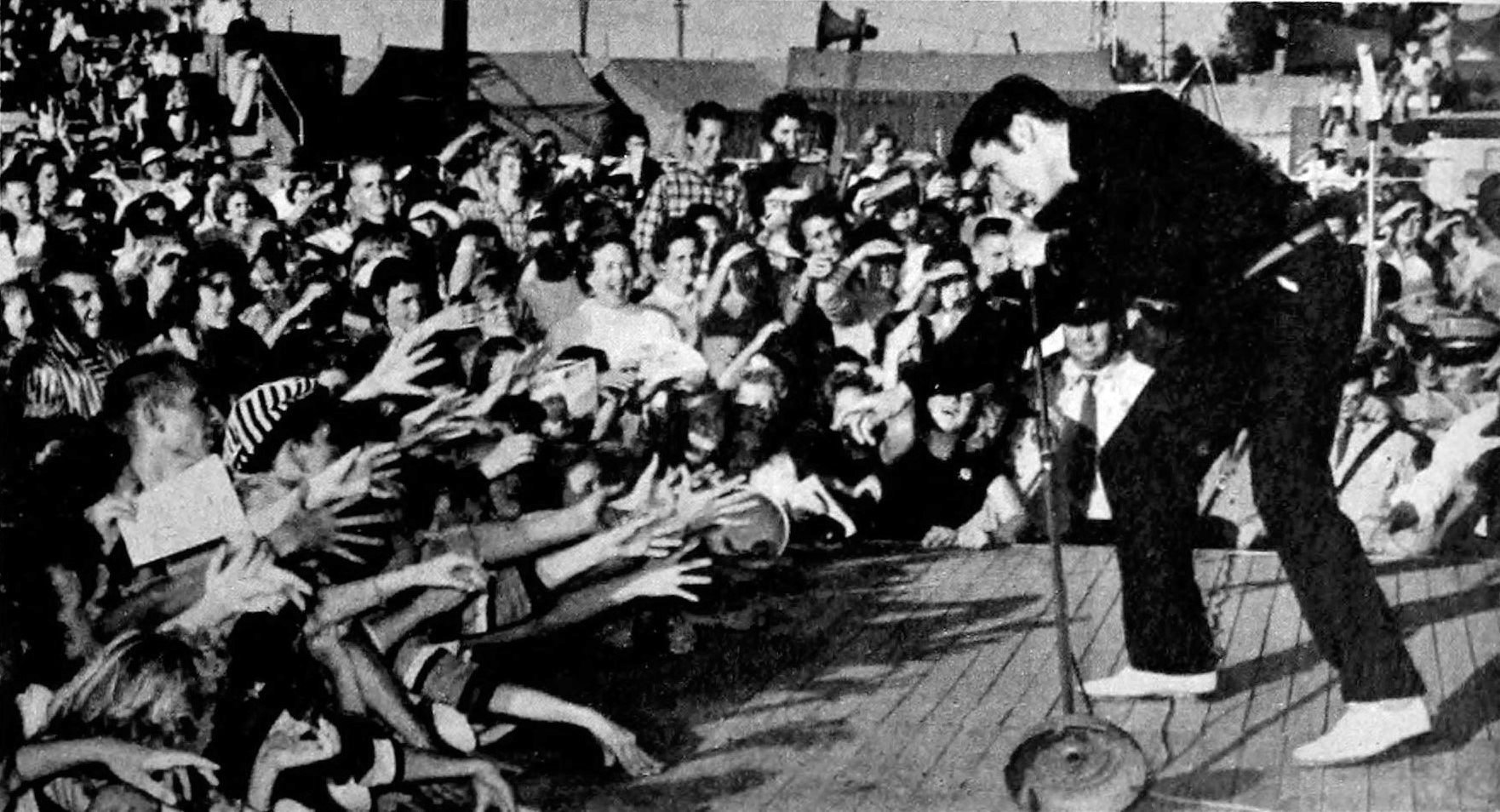
Elvis Presley, the “King of Rock and Roll” and a regular on the jukebox playlist.
Of course, that golden age didn’t last forever. By the late 1970s, new technology started to supersede the jukebox. First, cassette tapes. Then, CDs. Then, digital platforms, from iPods to Spotify. Now, TouchTunes tries to replicate that old glory, but they’ll never quite be the same.
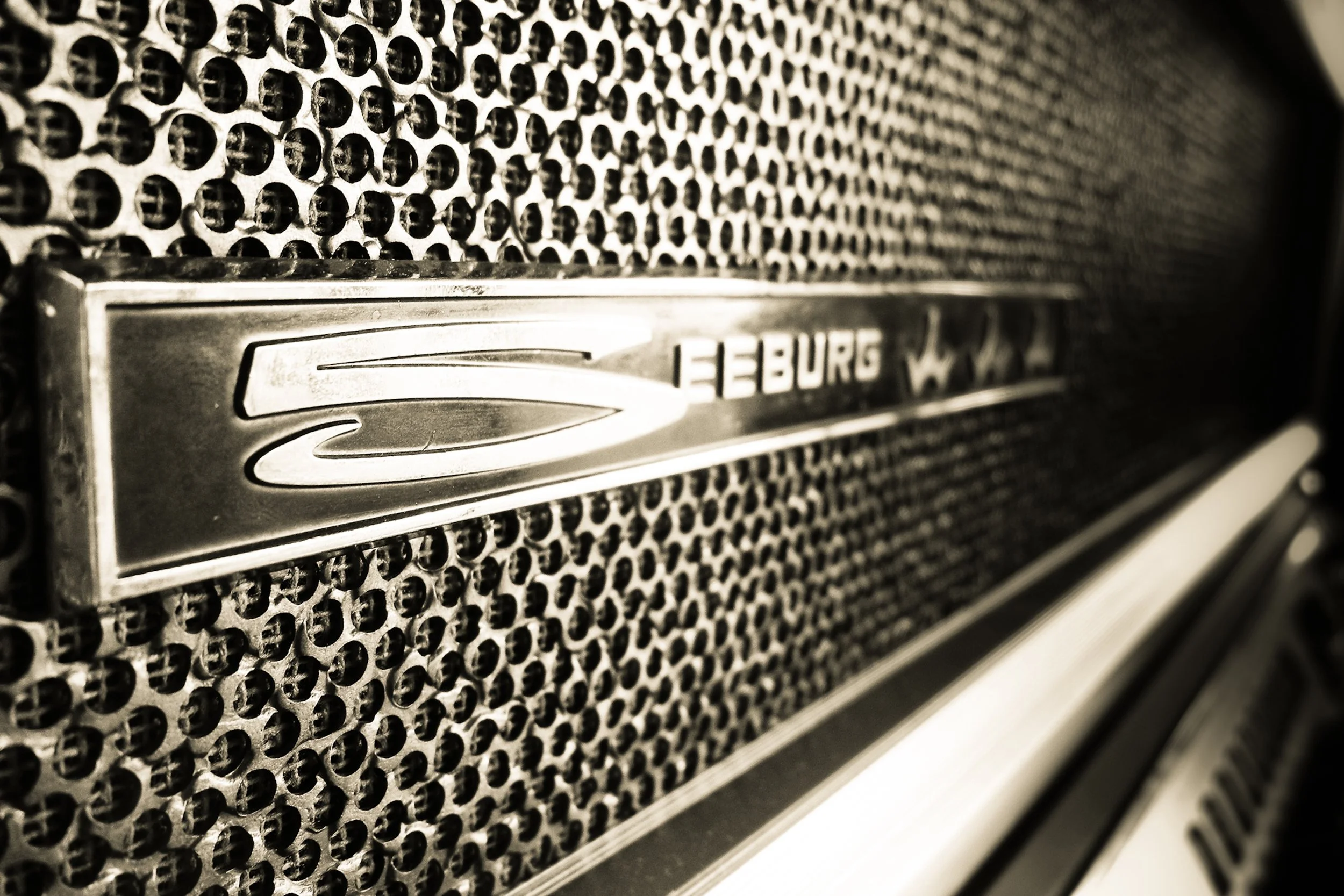
Luckily, though, at 13 of Silver Diner’s locations, you can still find them—specifically some real-deal Seeburgs. That’s thanks to Giaimo and his co-founder, Chef Ype Von Hengst, who, in conducting early research for their soon-to-be restaurant, decided these music machines would be essential.
“I fell in love with them right away,” says Giaimo. “All chrome with Art Deco curves, just like a diner, Seeburgs were works of art. These were the Rolls-Royce of jukeboxes, and they were also a serious investment. If we came across one, we knew we were in a top-notch operation. And with Silver Diner, we were keen on authenticity. So when it came time to open our own restaurant, we wanted the real thing.”
With the help of a Virginia-based jukebox collector, Seeburgs were installed in the first Silver Diner in Rockville, adding to its 1950s motif. Before long, Potomac Mills, Fair Oaks, Tysons, Springfield, Merrifield, Reston, Cherry Hill, Greenbelt, Innsbrook, Frederick, and Waldorf followed, as well as our location at the BWI Airport.
At these locations, small tabletop jukeboxes were added to every booth, holding some 200 songs in total, each still only costing a quarter to play. Originally, they featured vinyl records, but after years of wear and tear, the system was eventually rewired to work with more durable CDs. The machines still do require a fair bit of maintenance, with monthly repairs conducted to fix the occasional stuck button or faded lightbulb. But all in all, they work as well as they ever did—a testament to their high-quality craftsmanship.
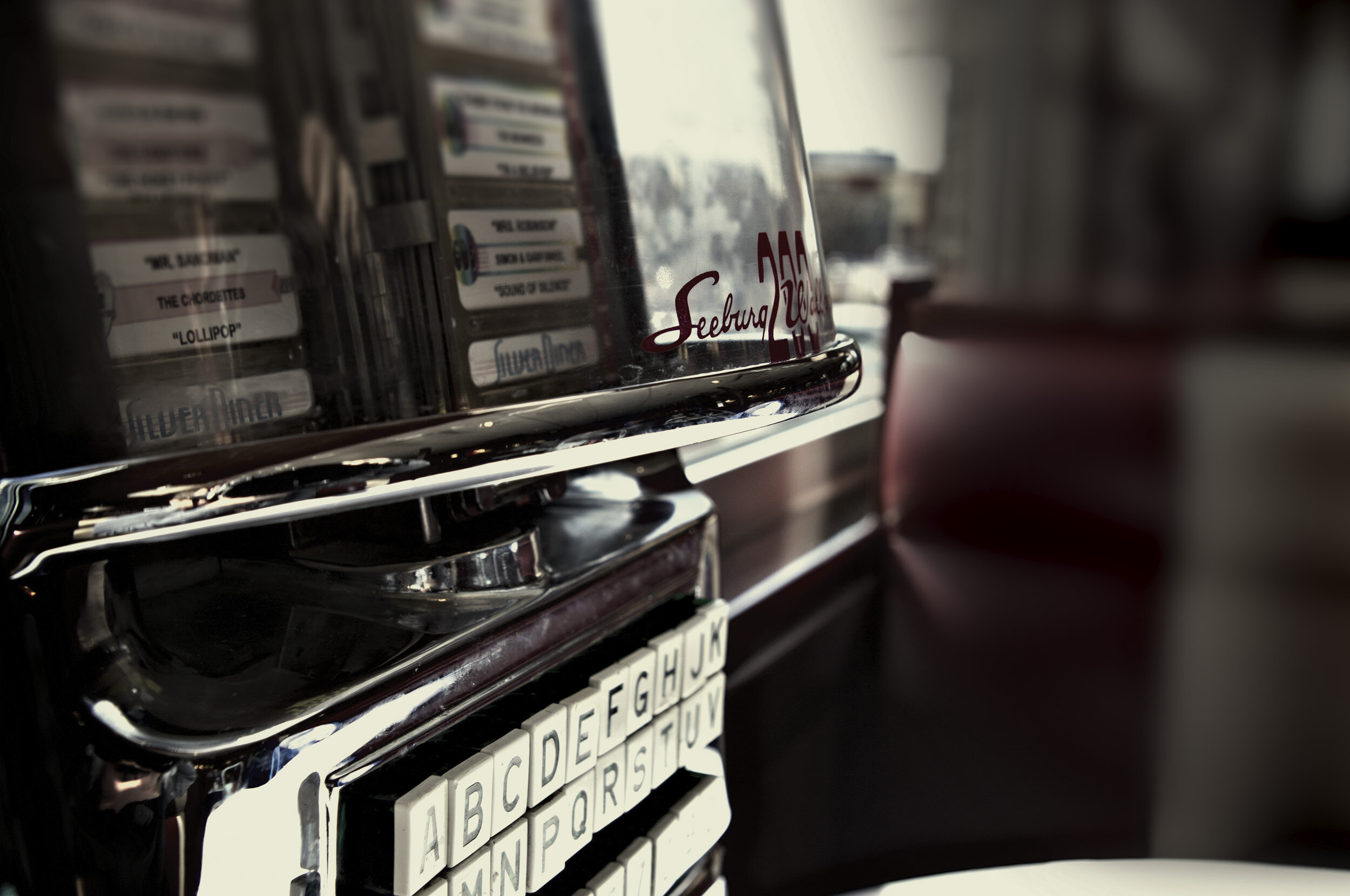
A classic tabletop Seeburg.
The catalogue has experienced some upgrades, too. There are still mid-century chart-toppers, like “My Girl” by The Temptations, “Pretty Woman” by Roy Orbison, or “Shout” by the Isley Brothers. But now, you can also select Stevie Wonder’s “Superstition,” The Clash’s “Rock the Casbah,” Jimmy Buffett’s “Cheeseburger in Paradise,” and Tom Petty’s “American Girl,” with new contemporary songs under constant consideration.
Granted, at newer, more modern Silver Diners, you won’t find the Seebergs, instead spinning a playlist that features both nostalgic and contemporary tunes. But at our longstanding locations, still saturated in a sense of nostalgia, they’ll continue to play on, like a tether to our past. And as an enduring favorite among families, they might even inspire future generations.
“We hope they last forever,” says Giaimo. “We like to build things that last.”
Have song recommendations for our Silver Diner soundtrack? Email us your feedback at communityrelations@silverdiner.com.
HAPPY HOUR SEASON
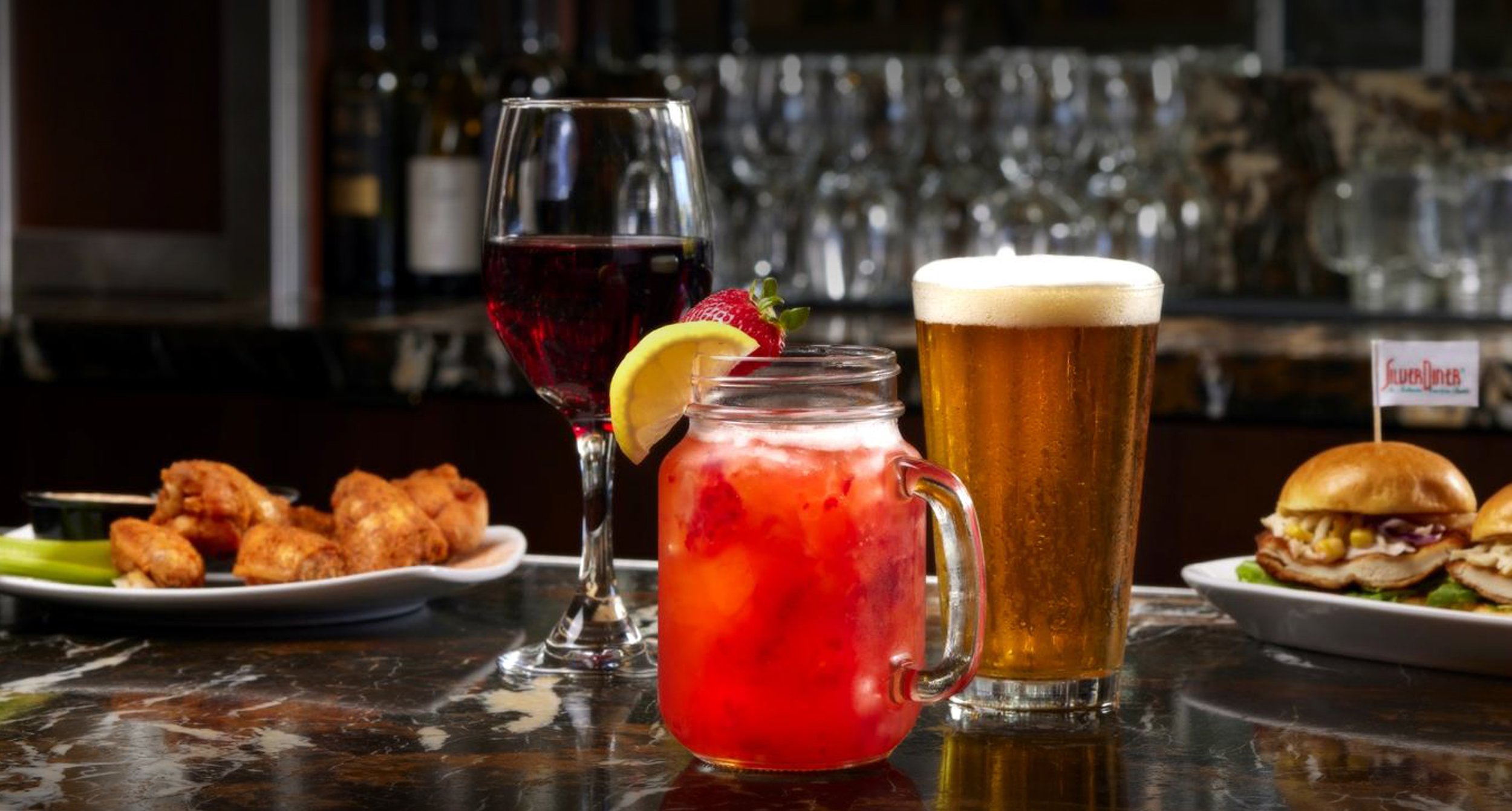
Spring has officially sprung, with warmer days and longer sunlight inspiring us to make the most of our weeknights—or, as the TikTok trend calls it, our “5 to 9 after our 9 to 5.” Luckily we’ve got you covered with our new expanded Happy Hour, with food and drink specials now starting as early as 3 p.m. On Mondays through Fridays, come with coworkers, meet friends, or bring the whole family for this special deal. Participating locations include Alexandria, Ashburn, Ballston, Columbia, Frederick, Gaithersburg, National Harbor, Navy Yard, Waldorf, Whitemarsh, and Woodmore.